Tips and Tricks for the Perfect Interview
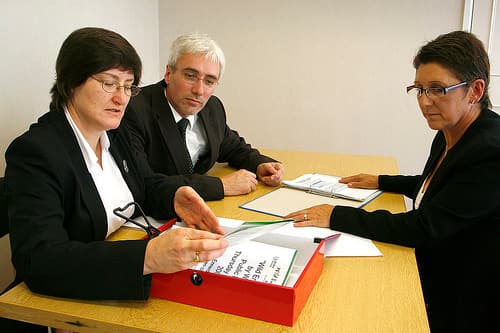
To do well in a job interview, research the company, prepare your answers, dress for the role and arrive on time. At the end, say clearly that you want the job, then send a short thank-you note to the interviewer.
Below is what to do before, during and after the interview.
In short
- Research the company before the interview so your answers fit what it values.
- Dress one step more formally than the people who do the job, and dress conservatively when unsure.
- Arrive on time, greet the interviewer with a firm handshake and eye contact, and speak clearly.
- Bring a short list of questions to ask when the interviewer has finished.
- End by saying you want the job, then send a thank-you note.
- You do not need a perfect interview to get the job, only clear, honest answers that match what the employer needs.
How do you prepare for a job interview?
Preparing for a job interview starts with research on the company. Find out what it sells, who its customers are and what it says it values in its employees.
Look in these places:
- The company website, especially its About and Careers pages.
- The job post, for the skills and duties it lists first.
- Recent news about the company.
- The interviewer's profile on LinkedIn, if you know who it is.
Research changes how you answer. Suppose the interviewer asks, "Why are you a good candidate for this position?"
If the company rewards people who take the initiative, answer with a time you started something on your own. At a company that values teamwork more, pick a story about working with others.
Then prepare for the questions most interviewers ask, such as "Tell me about yourself" and "Why do you want this job?" Answers you have thought through sound confident, while answers made up on the spot often come out halting. The most common interview questions and how to answer them are a good place to start.
What should you wear to a job interview?
Wear what suits the job you are interviewing for. A suit fits an interview for a manager's job, but a construction worker does not need one.
- Office or management jobs: a suit, or a jacket with dress pants or a skirt.
- Trades and hands-on jobs: clean slacks or chinos and a button-down shirt.
- When you are not sure: dress conservatively. Being a little overdressed is better than being underdressed.
Whatever you wear should be clean, ironed and comfortable enough that you are not fidgeting with it.
How should you act during the interview?
During the interview, act calm, positive and attentive. Employers want to know you will get along with the people already on the team.
- Arrive on time, which means a few minutes early.
- Shake hands firmly and look the interviewer in the eye.
- Sit up straight and smile when it fits the conversation.
- Listen to the whole question, then answer it clearly and to the point.
- If you do not know something, say so, and say how you would find out.
A positive, confident candidate fits in more easily than one who seems negative or never smiles. Confidence here means clear, steady answers, not boasting.
What questions should you ask at the end of an interview?
The questions you ask at the end of an interview should be simple and easy for the interviewer to answer. Good ones show that you care about doing the job well. For example:
- What does a typical week look like in this role?
- How will you judge whether the person in this job is doing well after six months?
- What do you like most about working here?
- What are the next steps in the hiring process?
Leave questions about pay and time off until the employer raises them or makes you an offer.
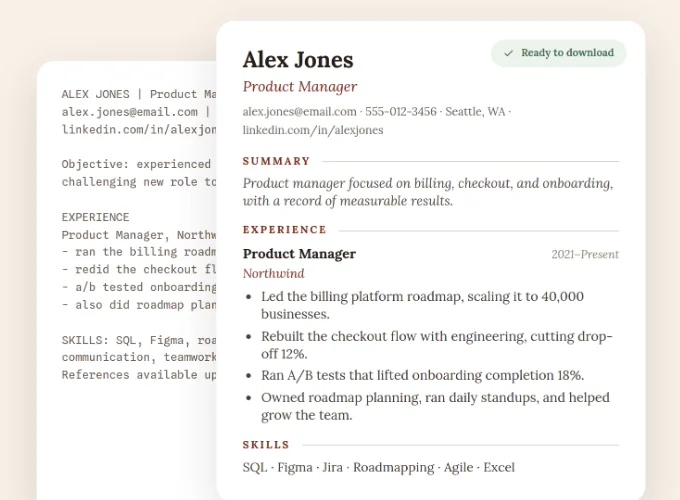
Bring a fresh copy of your resumeThe night before, download your resume from Resumonk as a PDF and print two copies.
Build your resume
How do you end a job interview?
End a job interview by telling the interviewer that you want the job. A short, plain sentence works best:
- "I am very interested in this position, and I hope you will consider me for it."
Then ask what happens next and when you can expect to hear back. Thank the interviewer for their time as you leave.
Afterward, send a thank-you note to the interviewer, thanking them for their time. It reminds them who you are while they decide whom to hire.
If the date they gave you passes with no word, call or email to ask about the job. Do it once or twice, politely, and never push. The guide on how to follow up during a job search has sample emails for each stage.
Why does the interview count so much?
The interview is often where the hiring decision is made. Your skills and experience get you the interview, but the employer usually decides after meeting you.
By the time you are interviewed, someone in HR or a recruiter has already checked your qualifications. The other candidates are likely about as qualified as you. How you prepare, how you come across and how you follow up make the difference.
Common questions about preparing for a job interview
How early should you arrive for a job interview?
Arrive about 10 minutes early for a job interview. Arriving much earlier can put pressure on the interviewer, so wait nearby if you are early.
What should you bring to a job interview?
Bring two printed copies of your resume, your list of questions, a pen and a notepad. Bring an ID too, since some office buildings ask for one at the front desk.
How do you prepare for a video interview?
For a video interview, test your camera, microphone and internet connection the day before. Sit in a quiet, well-lit place, with the camera near eye level, and dress as you would in person.
What should you avoid saying in a job interview?
Avoid criticizing a former employer or coworker in a job interview, even when the criticism is fair. Also avoid guessing at facts, talking over the interviewer and checking your phone.
Is it fine to bring notes to a job interview?
Bringing a few notes to a job interview is fine, such as your questions and points you want to mention. Glance at them when needed, but do not read your answers from them.
Keep reading
- 35 Most Common Interview Questions and How to Answer Them
- How to Decline a Job Offer Professionally (Without Burning Bridges)
- How to Write the Perfect Thank-You Email After an Interview
- How to Answer - "Walk Me Through Your Resume"
Next step: browse remote jobs.
job hunting.
Resumonk polishes your resume, discovers matching jobs and finds connections inside companies.
Get started free- Indeed
- Greenhouse
- + more
This article was originally published on our blog on Aug 31 2012 and authored by Bharani Muthukumaraswamy. It was edited and republished in its present form by Team Resumonk on Sep 15 2025.